Summary The story presents the lowdown on US presidential election
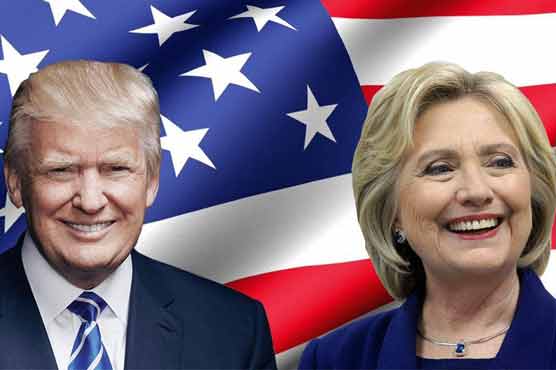
LAHORE (Web Desk) – Talking about the upcoming presidential election in the United States (US) on November 8, one may wonder how American presidential election is different from that in Pakistan.
Here we let you know the lowdown on US presidential election:
Popular vote
If the state of California is brought under discussion, either of the candidates, Hillary Clinton or Donald Trump, wins the territory by majority popular vote, the candidate wins the total number of electors in the state.
Electoral college
A 538-member body constitutes the electoral college in the United States of America (USA).
This body directly elects the president and vice-president after voting determines the popular vote.
Electors are the representatives of the political parties who do not hold any government office. A set of electors is chosen by Democrats and Republicans each in every state.
The political parties nominate the electors considering the potential persons ahead of the polls.
If a candidate wins a state, he wins the electors there through winner-takes-all approach. Now supposedly, Clinton wins the state of California, she wins X number of electors and strengthens her position. However, if Trump wins different smaller states, he would still have to match up to the total number of electors won by Clinton.
What if Hillary-Trump win equal number of electors?
In a case when both the candidates balance the sum of 538 electors across the United States, House of Representatives will vote to elect the president from the top three candidates whereas the Senate will choose a vice-president from the top two candidates.
Popular vote Vs electoral college
The number of states a candidate wins does not necessarily elect him or her as the president for a term of four years but the higher number of electors does.
It is possible that a candidate has the majority popular vote by winning different states but the number of electors in those states falls shorter than in the states won by his or her rival.